%20scale(0.78)%20translate(-50%20-50)'%20/%3e%3cpath%20d='M50%2014%20C64%2030%2071%2043%2071%2053%20C71%2066%2061%2077%2050%2086%20C39%2077%2029%2066%2029%2053%20C29%2043%2036%2030%2050%2014%20Z'%20fill='none'%20stroke='%23F7F1EA'%20stroke-width='3.5'%20transform='translate(50%2050)%20scale(0.5)%20translate(-50%20-50)'%20/%3e%3c/g%3e%3c/svg%3e)
%3c/title%3e%3cdesc%3eBone-toned%20crescent%20and%20iris-bud%20symbol%20for%20dark%20backgrounds.%3c/desc%3e%3cg%3e%3ccircle%20cx='50'%20cy='50'%20r='44'%20fill='%23E0A088'%20/%3e%3cpath%20d='M50%2014%20C64%2030%2071%2043%2071%2053%20C71%2066%2061%2077%2050%2086%20C39%2077%2029%2066%2029%2053%20C29%2043%2036%2030%2050%2014%20Z'%20fill='%233B1D31'%20transform='translate(50%2050)%20scale(0.78)%20translate(-50%20-50)'%20/%3e%3cpath%20d='M50%2014%20C64%2030%2071%2043%2071%2053%20C71%2066%2061%2077%2050%2086%20C39%2077%2029%2066%2029%2053%20C29%2043%2036%2030%2050%2014%20Z'%20fill='none'%20stroke='%23FBF6F0'%20stroke-width='3.5'%20transform='translate(50%2050)%20scale(0.5)%20translate(-50%20-50)'%20/%3e%3c/g%3e%3c/svg%3e)


How to stop period cramps naturally
Six evidence-informed steps you can use this cycle — heat, movement, herbal brews and rest — plus how to work out which of them actually helps your body.
Last reviewed 2026-08-06 · Educational information, not medical advice.
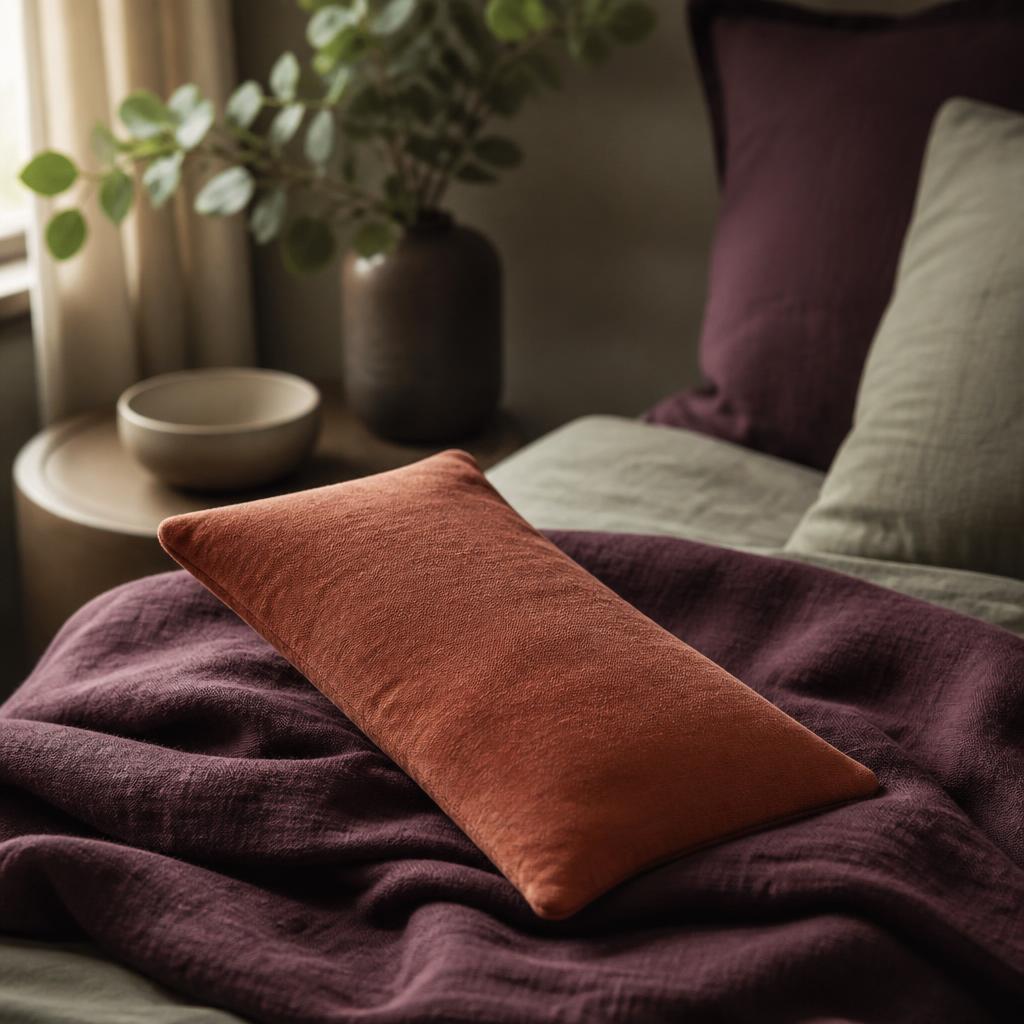
Six steps that ease cramps without medication
1Apply heat before the pain peaks
Warmth relaxes the uterine muscle and improves blood flow, which is far easier than settling pain that has already peaked. Use a heat pack on your lower abdomen for 15–20 minutes, rest the skin for the same time, then repeat. Track when cramps usually turn sharp so you can start heat an hour earlier next cycle.
2Move gently, not hard
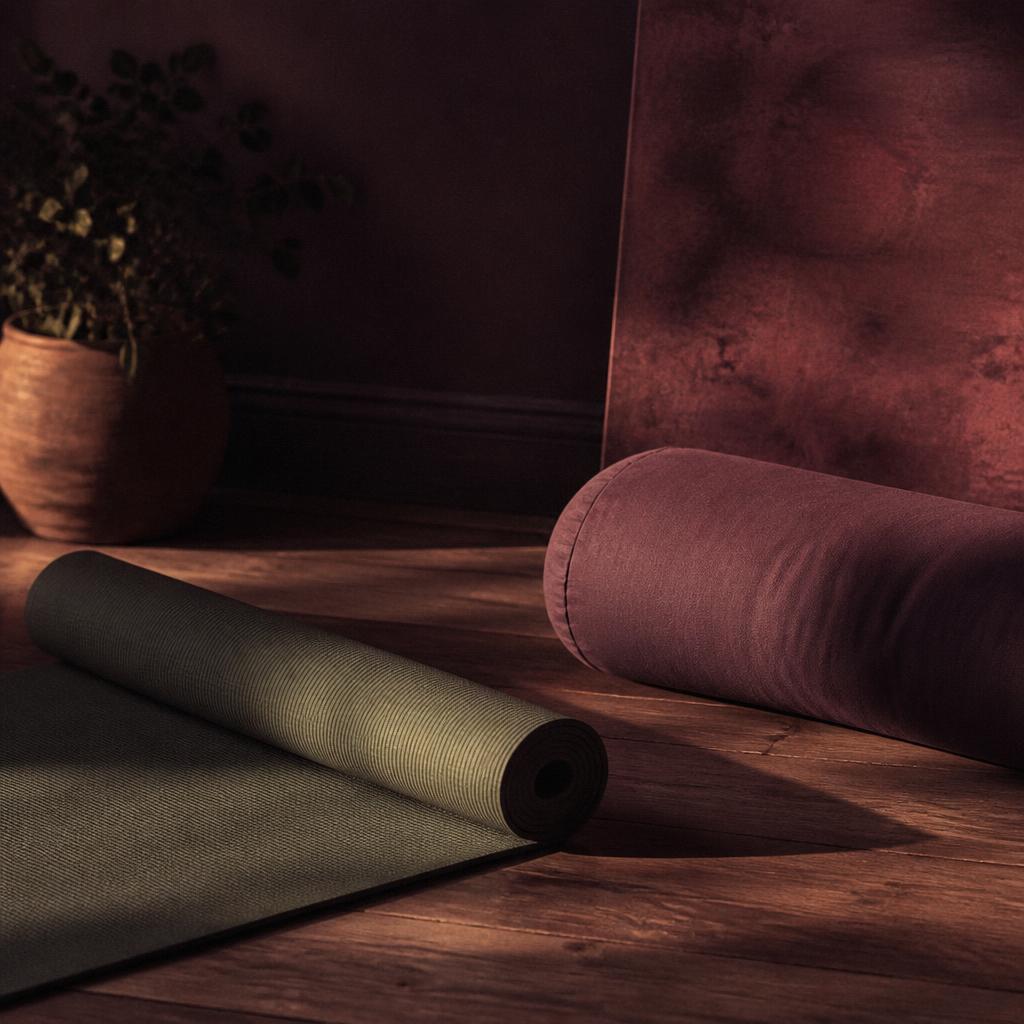
Walking, hip openers and slow stretching ease pelvic tension and help cramping settle. Ten to fifteen minutes is enough on heavy days — the aim is circulation, not a workout. If movement makes pain worse, stop and switch to heat and rest.
3Drink a warm herbal brew
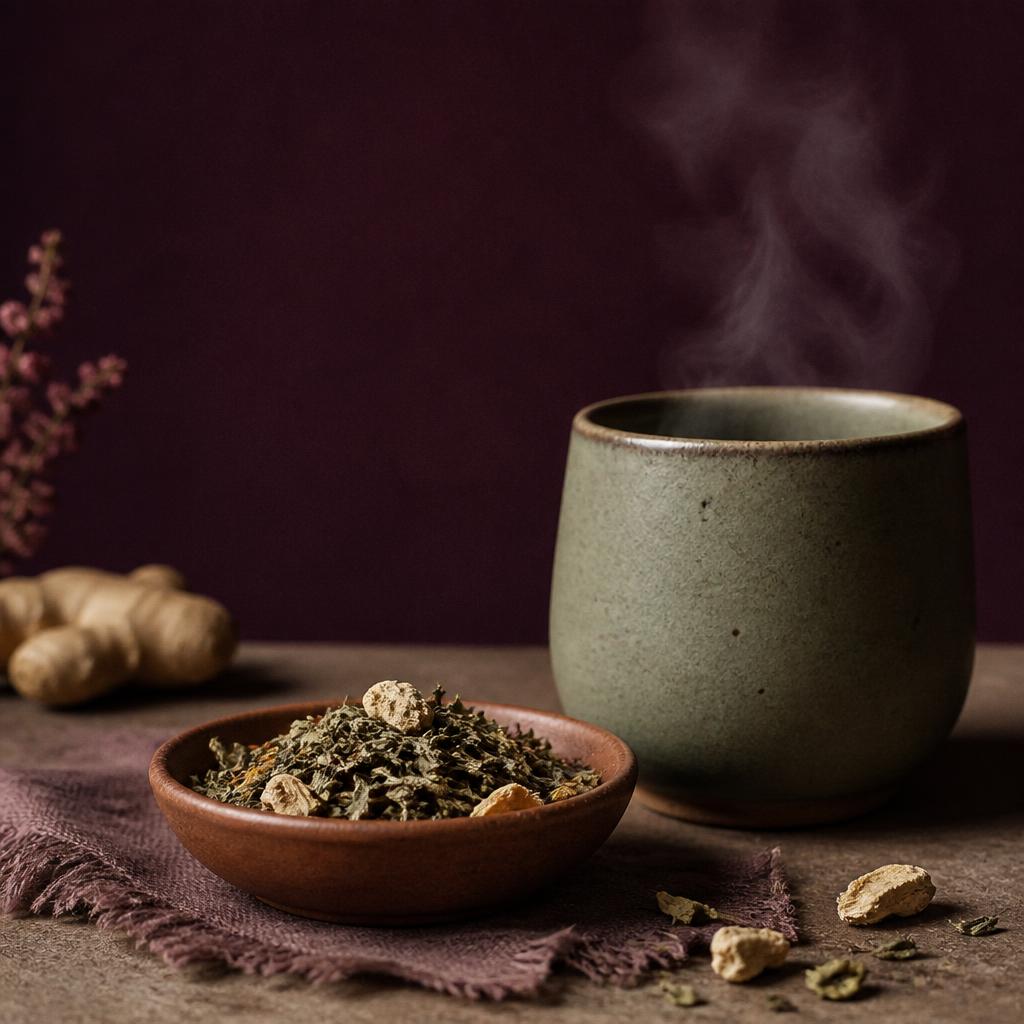
Ginger and chamomile brews are the most studied kitchen remedies for period pain, and the warm liquid itself helps. Sip through the afternoon rather than one large mug, and note which brew you actually reach for so you can repeat what works.
4Protect your wind-down
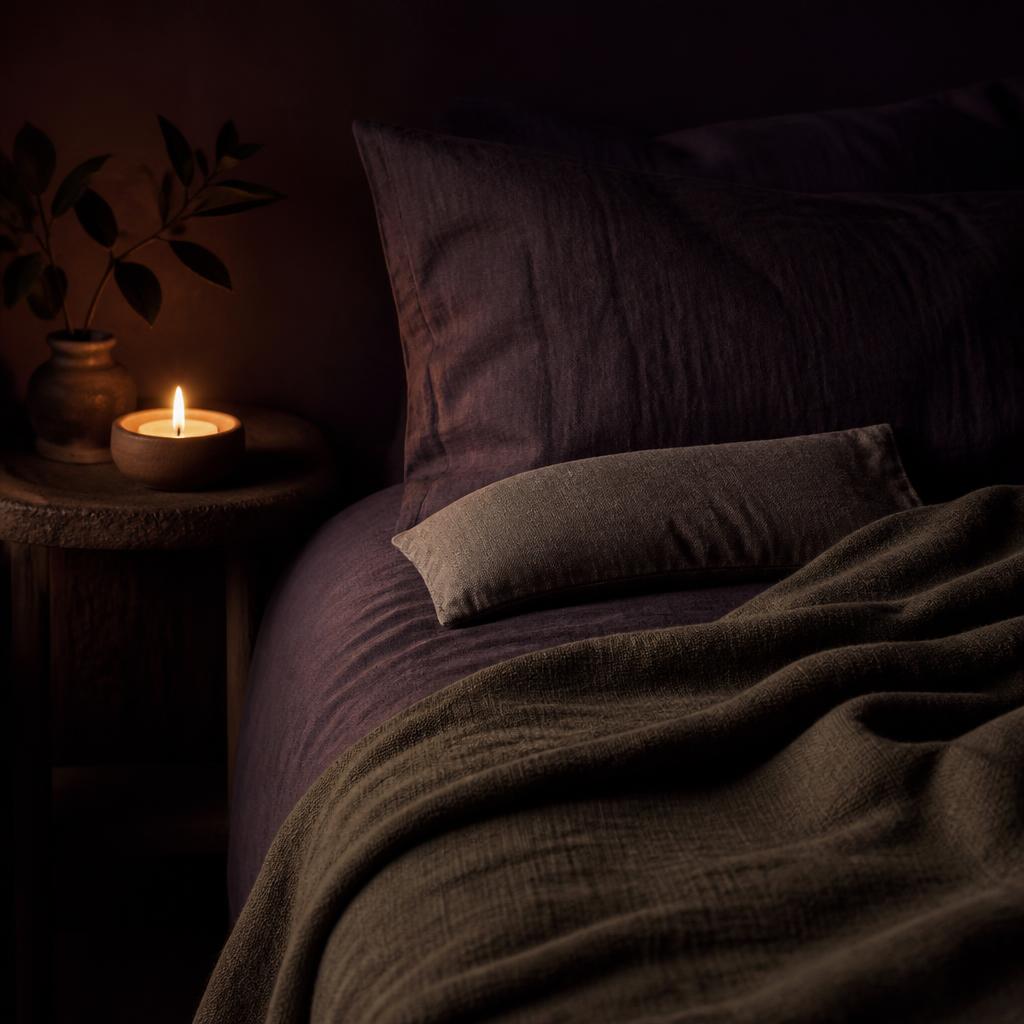
Poor sleep raises pain sensitivity the next day. Dim screens an hour before bed, keep the room cool, and add a short breathing session — slow exhales calm the stress response that tightens cramping muscles.
5Log pain before and after each remedy
The only way to know what genuinely helps you is to score your pain before and after. After two or three cycles, patterns appear: the remedy that reliably drops your score, and the days it never touches.
6Get ahead of the next cycle
Cramps are far easier to blunt when you know they are coming. Once you can predict your period start within a day or two, you can pre-load rest, heat and hydration instead of reacting on day one.
Rituals to try, by cycle phase
Heat, before the peak
- Apply heat for 15–20 minutes, then rest the skin for the same time.
- Keep the pack warm, not hot — a barrier layer of fabric protects your skin.
- Log your pain score before and after so the effect shows in your trends.
Ginger & herbal brews
- Log the remedy and dose at the time you take it, not at the end of the day.
- Give any new brew at least two cycles before judging the trend.
- Pair with hydration reminders — dehydration amplifies cramping for many people.
Gentle movement
- Start with supported poses: child's pose, reclined twist, legs up the wall.
- Five honest minutes beats a thirty-minute plan you skip.
- Note your fatigue score afterwards so movement shows up in your correlations.
Wind-down rituals
- Set quiet hours to begin 45 minutes before your target bedtime.
- Keep the same wind-down cue each night — light, warmth, or a short stretch.
- Log sleep quality in the morning to see it plotted against your cycle phase.
Common questions about period cramps
- What stops period cramps fast without medication?
- Heat on the lower abdomen is the fastest non-drug option for most people — it usually eases cramping within 15–20 minutes. Gentle movement, a warm ginger brew and slow breathing add to it. Starting before your pain peaks works far better than starting after.
- How long do period cramps normally last?
- Most cramping starts just before or on the first day of bleeding and eases within 48–72 hours. Pain that lasts longer, gets steadily worse each cycle, or stops you doing normal daily activities is worth discussing with a clinician.
- Do natural remedies work as well as painkillers?
- For mild to moderate cramps, heat has been shown in trials to compare well with over-the-counter pain relief. For severe pain, non-drug routines are best used alongside — not instead of — medical advice.
- When should I see a doctor about period pain?
- See a clinician if pain is severe, sudden, worsening cycle after cycle, comes with heavy bleeding, fever, or pain outside your period, or if it keeps you from work, school or sleep. Those can point to conditions like endometriosis that need diagnosis.
This guide is general educational information and does not replace personalised medical advice. Speak to a clinician about severe, worsening or unusual period pain.