%20scale(0.78)%20translate(-50%20-50)'%20/%3e%3cpath%20d='M50%2014%20C64%2030%2071%2043%2071%2053%20C71%2066%2061%2077%2050%2086%20C39%2077%2029%2066%2029%2053%20C29%2043%2036%2030%2050%2014%20Z'%20fill='none'%20stroke='%23F7F1EA'%20stroke-width='3.5'%20transform='translate(50%2050)%20scale(0.5)%20translate(-50%20-50)'%20/%3e%3c/g%3e%3c/svg%3e)
%3c/title%3e%3cdesc%3eBone-toned%20crescent%20and%20iris-bud%20symbol%20for%20dark%20backgrounds.%3c/desc%3e%3cg%3e%3ccircle%20cx='50'%20cy='50'%20r='44'%20fill='%23E0A088'%20/%3e%3cpath%20d='M50%2014%20C64%2030%2071%2043%2071%2053%20C71%2066%2061%2077%2050%2086%20C39%2077%2029%2066%2029%2053%20C29%2043%2036%2030%2050%2014%20Z'%20fill='%233B1D31'%20transform='translate(50%2050)%20scale(0.78)%20translate(-50%20-50)'%20/%3e%3cpath%20d='M50%2014%20C64%2030%2071%2043%2071%2053%20C71%2066%2061%2077%2050%2086%20C39%2077%2029%2066%2029%2053%20C29%2043%2036%2030%2050%2014%20Z'%20fill='none'%20stroke='%23FBF6F0'%20stroke-width='3.5'%20transform='translate(50%2050)%20scale(0.5)%20translate(-50%20-50)'%20/%3e%3c/g%3e%3c/svg%3e)


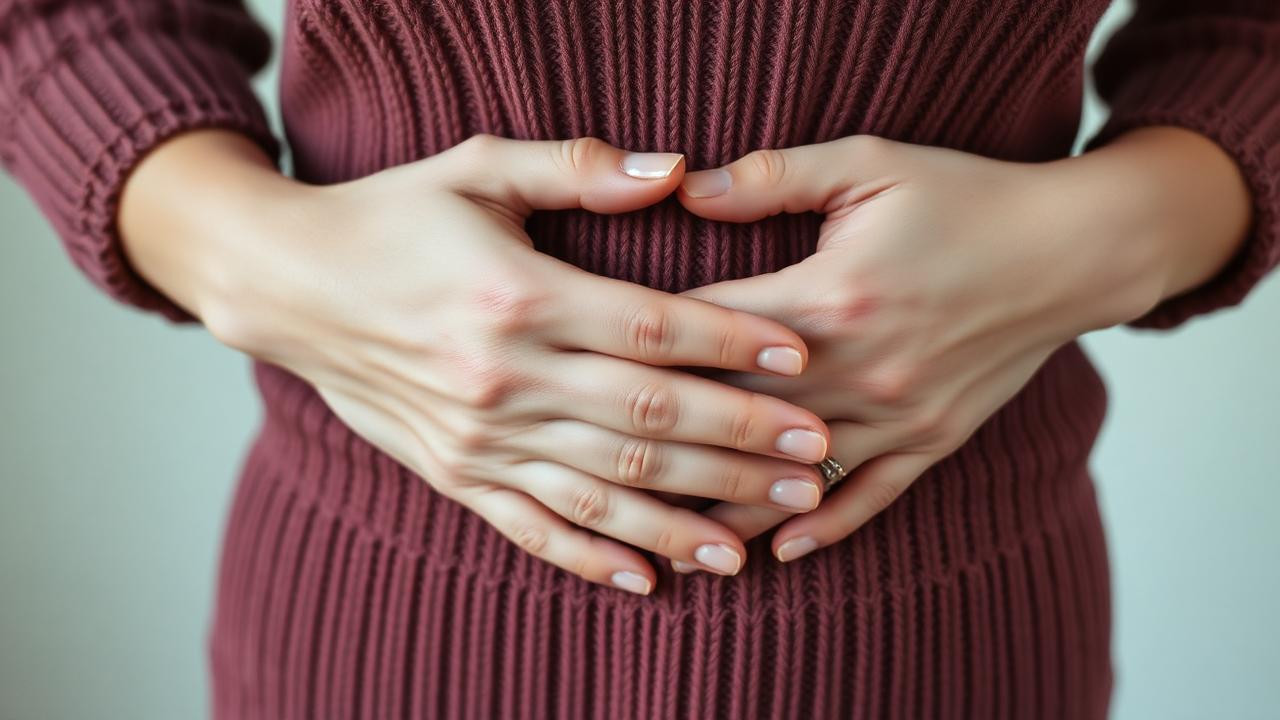
Pain that stops your life is information, not something to push through.
Period pain that regularly disrupts your life is a reason to see a clinician — you don't have to prove it's 'bad enough' first. Seek urgent care for sudden severe pelvic pain, or pain with fever, fainting or a positive pregnancy test.
Signs period pain may be more than 'normal'
Pain that stops you functioning
Pain severe enough to keep you off work or school, in bed, or reliant on strong painkillers each cycle isn't the everyday cramps most people mean by 'period pain'. That level of disruption is a signal worth acting on.
Pain beyond your period
Endometriosis pain often isn't limited to bleeding days — it can come with ovulation, last much of the month, or flare unpredictably. Pain during or after sex is another common feature.
Pain with your bowel or bladder
Pain opening your bowels or passing urine, especially around your period, or cyclical bloating ('endo belly'), can point toward endometriosis and is worth mentioning specifically.
Heavy bleeding alongside the pain
Heavy or irregular bleeding together with severe pain is a combination worth raising, and tracking both gives your clinician a fuller picture.
Trouble conceiving
Endometriosis is a recognised contributor to difficulty getting pregnant. If you've been trying without success alongside painful periods, mention both together.
Why tracking matters here
Because there's no simple test and diagnosis is often slow, a dated record of your pain, its severity, where it is and how it affects your day is one of the most useful things you can bring to an appointment — it turns 'bad periods' into evidence.
Common questions
- How is endometriosis diagnosed?
- From your symptom history and examination, sometimes imaging, and definitively by a laparoscopy (keyhole surgery) in some cases. A detailed symptom record helps a clinician decide whether to investigate further.
- Why does diagnosis take so long?
- Symptoms overlap with other conditions, pain is normalised ('everyone gets bad periods'), and there's no quick test. That's exactly why documenting your symptoms and pushing for answers matters.
- Can Emmenia diagnose endometriosis?
- No — no app can. Emmenia helps you track pain, bleeding and symptoms over time so you and a clinician have clear information to work from. Diagnosis is a medical process.
- What can help in the meantime?
- A clinician can discuss pain relief, hormonal options and referral to a specialist. Tracking what makes your pain better or worse can inform those conversations.
Keep reading

Menopause transition
Am I in perimenopause? 8 early signs

Mood & PMDD
PMDD vs PMS: how to tell the difference

Flow & bleeding
Is my period too heavy? When to see a doctor
This guide is general educational information and does not replace personalised medical advice. Speak to a clinician about severe, worsening or unusual symptoms.